


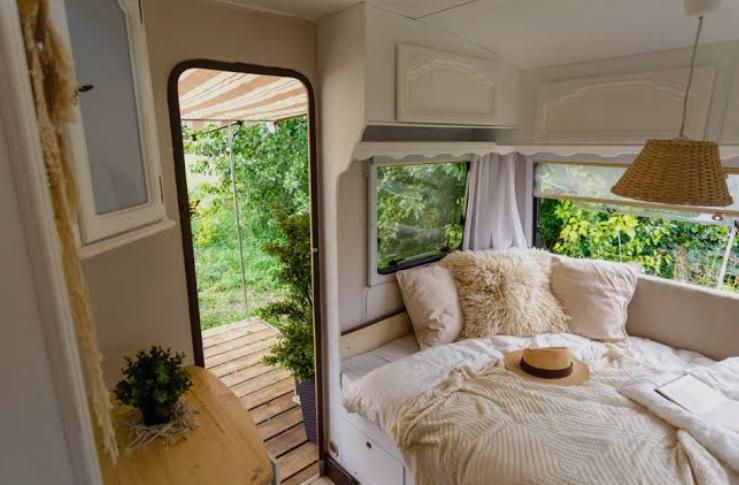
Key Takeaways
- Modern color palettes: Bold accent walls, neutral tones, and complementary colors can make RV interiors feel more stylish and inviting.
- Smart storage solutions: Multi-functional furniture, custom cabinetry, and built-in storage help maximize limited space.
- Comfort-focused upgrades: Quality upholstery, upgraded bedding, modern appliances, and layered lighting improve everyday living.
- Sustainable materials: Recycled materials, durable finishes, and energy-efficient upgrades support more responsible RV living.
- Personalized designs: Custom layouts and decorative details allow RV owners to create interiors that reflect their lifestyles and preferences.
1. Modern Color Palettes That Transform RV Interiors
Color is one of the simplest ways to change the look and atmosphere of an RV. Texas RV owners can combine modern design trends with practical choices to create interiors that feel comfortable, spacious, and visually appealing.
Bold Accent Walls and Statement Colors
Bold accent walls are an effective way to introduce personality into a compact living space. Deep blue, rustic red, forest green, and other rich shades can create an attractive focal point without overwhelming the entire interior.
Pairing a bold wall with lighter cabinetry, neutral upholstery, or natural wood finishes helps maintain balance. These combinations can also complement different design styles, from modern farmhouse to contemporary rustic.
For homeowners planning rv renovations Texas, choosing a cohesive color scheme is a practical starting point for creating a refreshed interior that balances style and everyday comfort.
Light Colors That Make Small Spaces Feel Brighter
RV interiors often have limited floor space, making brightness an important design consideration. Soft white, warm beige, sandy taupe, and other light shades can help reflect available natural light and create an open appearance.
Mirrors, reflective surfaces, and strategically placed lighting can further brighten darker corners. Light-colored curtains and streamlined window treatments also help preserve the sense of openness.
Blending Classic and Contemporary Styles
Combining traditional colors with contemporary accents creates a distinctive RV interior. Mint green paired with white, burnt orange balanced with muted gray, or natural wood combined with matte black fixtures can produce an attractive contrast.
The key is consistency. Repeating a few colors and finishes throughout the living area, kitchen, and sleeping space helps the entire RV feel coordinated rather than cluttered.
2. Smart Storage and Space-Saving Furniture
Limited space is one of the biggest considerations in RV renovation. Smart storage solutions and multi-functional furniture help owners keep their interiors organized while making better use of every available inch.
Multi-Functional Furniture
Furniture that serves more than one purpose is especially useful in compact RVs. Instead of filling the interior with separate pieces, owners can choose designs that adapt to different activities.
Popular options include:
- Convertible sofas: Provide comfortable seating during the day and additional sleeping space at night.
- Fold-down tables: Create convenient dining or work surfaces that can be stored when not needed.
- Storage benches: Offer extra seating while keeping blankets, shoes, and travel accessories out of sight.
- Folding furniture: Makes it easier to adjust the layout for different activities.
These features help maintain an uncluttered interior without sacrificing functionality.
Custom Cabinetry and Built-In Storage
Custom cabinets can make use of awkward corners and underutilized spaces that standard furniture may not accommodate. Owners can add drawers beneath beds, overhead cabinets, pull-out organizers, and shelving designed around their RV’s layout.
Cabinet finishes also contribute to the overall design. Reclaimed wood can create a rustic look, while smooth white cabinetry offers a clean, contemporary appearance. Under-cabinet lighting and coordinated hardware can provide additional visual appeal.
Creating Functional Nooks
Small, thoughtfully designed areas can make an RV more comfortable. A window-side reading nook, a compact workstation, or a built-in bench can create a dedicated space without requiring a major expansion.
Wall-mounted shelves and vertical organizers are useful for displaying travel souvenirs, storing books, and keeping everyday essentials accessible. Careful planning helps prevent these additions from obstructing walkways or reducing usable space.
3. Comfort-Focused Upgrades for a More Luxurious RV
An RV should be more than visually appealing. Comfortable furnishings, functional appliances, and well-planned lighting can make everyday travel and extended stays more enjoyable.
Upgraded Upholstery and Bedding
Replacing worn upholstery and bedding can significantly refresh an RV’s interior. Durable fabrics such as suitable microfiber blends and performance textiles can offer a practical combination of comfort, appearance, and ease of maintenance.
For bedding, supportive mattresses, soft linens, and breathable fabrics can make the sleeping area more inviting. Coordinating cushions, curtains, and upholstery creates a unified design while allowing owners to express their personal style.
When selecting materials, consider how frequently the RV is used, how easy the fabrics are to clean, and whether they can withstand regular travel.
Modern and Space-Efficient Appliances
Updated appliances can improve convenience in an RV kitchen and living area. Compact refrigerators, appropriately sized microwaves, efficient cooktops, and other space-conscious appliances allow owners to maintain useful amenities without overcrowding the interior.
Before upgrading, check appliance dimensions, electrical requirements, ventilation needs, and the RV’s available power capacity. Energy-efficient models may help reduce electricity use, although actual savings depend on usage and installation.
Layered Lighting for Comfort and Functionality
Lighting affects both the appearance and usability of an RV. A combination of general lighting, task lighting, and decorative fixtures can make the interior feel more welcoming while supporting everyday activities.
Consider recessed LED fixtures for general illumination, under-cabinet lights for food preparation, and reading lamps near seating or sleeping areas. Dimmable fixtures can provide flexibility for relaxing in the evening or completing tasks that require brighter light.
Warm lighting often creates a cozy atmosphere, while brighter task lighting is useful in kitchens and work areas. The right combination helps make a compact interior more adaptable.
4. Sustainable Materials and Energy-Efficient Improvements
Sustainability is another renovation trend worth considering. Selecting durable materials and suitable energy-efficient upgrades can improve the RV experience while helping owners manage resources more thoughtfully.
Recycled and Upcycled Materials
Recycled and reclaimed materials can add character to an RV while reducing the need for some newly manufactured products. Reclaimed wood accents, recycled decorative materials, and repurposed furniture may work well in selected areas.
However, materials must be appropriate for mobile use. Weight, moisture resistance, durability, and secure installation are especially important because RV interiors experience movement and vibration during travel.
Low-VOC paints and finishes may also be worth considering when refreshing interior surfaces, particularly in compact spaces where ventilation can be limited.
Solar Panels and Energy-Efficient Lighting
Solar panels are a popular option for RV owners who want additional flexibility when camping away from electrical hookups. A properly designed system can help power compatible appliances and devices, depending on available sunlight, battery capacity, and energy consumption.
Other possible improvements include LED lighting, suitable window insulation, and energy-efficient appliances. Owners should evaluate the RV’s existing electrical system before installing new equipment and use qualified professionals when necessary.
Durable Finishes That Reduce Maintenance
Durable flooring, quality sealants, and suitable paints can help protect renovated surfaces from routine wear. Materials designed for the RV’s specific conditions may reduce the frequency of repairs and replacements.
Choosing easy-to-clean surfaces can also simplify maintenance during long trips. Before selecting a product, confirm that it is appropriate for the intended surface and can tolerate temperature changes, movement, and moisture.
A well-planned renovation balances sustainability with safety, practicality, and long-term usability.
5. Personalized Layouts and Functional Living Spaces
A final trend is designing an RV around the owner’s specific travel habits and comfort needs. Rather than following a single style, many renovation projects combine personalized details with practical improvements.
Layouts Designed Around Everyday Activities
The ideal layout depends on how the RV is used. Weekend travelers may prioritize a comfortable sleeping area and simple food preparation, while people who travel for longer periods may need more storage, workspace, and flexible seating.
Before making structural changes, consider how people move between the kitchen, bathroom, sleeping area, and entryway. Preserve clear pathways and make sure modifications do not interfere with essential RV systems or safety equipment.
Personalized Finishes and Decorative Details
Small details can make an RV feel more like home. Coordinated cabinet handles, custom cushions, textured fabrics, decorative wall panels, and carefully selected artwork can reflect an owner’s taste without taking up too much space.
Travel-themed decorations and personal keepsakes can also add character. The best approach is to choose a few complementary elements rather than overcrowding the interior.
Practical Features for Indoor and Outdoor Living
RV renovations can also improve the connection between indoor and outdoor spaces. A well-maintained awning, comfortable outdoor chairs, portable tables, and weather-appropriate rugs can create a welcoming campsite setup.
Inside the RV, durable entry mats, organized storage near the door, and easy-to-clean flooring help manage dirt brought in from outdoor activities. These practical touches make it easier to enjoy travel while keeping the living space comfortable.
Frequently Asked Questions
What RV renovation trends are popular in Texas?
Popular ideas include modern color palettes, space-saving furniture, custom storage, comfortable upholstery, updated lighting, and energy-efficient improvements. The best choices depend on the RV’s layout, budget, and intended use.
How can I make a small RV feel more spacious?
Use light colors, reduce clutter, add multi-functional furniture, and take advantage of vertical storage. Mirrors and layered lighting can also help create a brighter, more open appearance.
Which upgrades can make an RV more comfortable?
Comfort-focused upgrades include improved bedding, supportive seating, functional kitchen appliances, better lighting, and storage that keeps essential items organized and accessible.
Are sustainable materials suitable for RV renovations?
Yes, provided the materials are appropriate for mobile environments. Consider weight, durability, moisture resistance, secure installation, and compatibility with the RV’s existing structure and systems.
Should I renovate my RV myself or hire a professional?
Simple cosmetic changes may be manageable for experienced DIY owners. Electrical work, plumbing changes, structural modifications, and complex installations may require qualified professionals to help ensure safety and compatibility.
How should I plan an RV renovation?
Start by identifying the problems you want to solve, setting a budget, and prioritizing essential repairs. Measure the available space, check material and appliance compatibility, and plan the layout before purchasing supplies or beginning installation.